Description
Apologia’s General Science award-winning curriculum is written to the student in a conversational tone. Our Exploring Creation with General Science textbook,
3rd Edition, course is designed to equip middle school students with
the tools they need to easily transition from elementary to middle
school level sciences.
This is a true General Science course
covering a variety of branches of science including astronomy,
meteorology, oceanography, earth study, geology, paleontology, and
environmental science modules giving students a solid foundation in that
broad field of study.
Curriculum Overview
In Apologia’s Exploring Creation with General Science, 3rd
Edition, students will gain an understanding of the world that surrounds
them so they can appreciate the real-world relevance of scientific
inquiry and the beauty of Creation.
Students will learn:
- How to utilize the proper scientific method in a detailed and engaging way.
- How to record data and report it.
- How to read, create, and utilize several types of graphs (a skill that is found on SAT and ACT exams!).
Lesson Plans and Materials
The Exploring Creation with General Science, 3rd Edition, is
written in a conversational format with the author talking directly to
your student. Your student is guided through key learning strategies
like how to think critically about what they are learning, identifying
important parts of the information presented, taking meaningful notes,
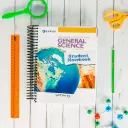
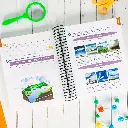
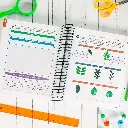
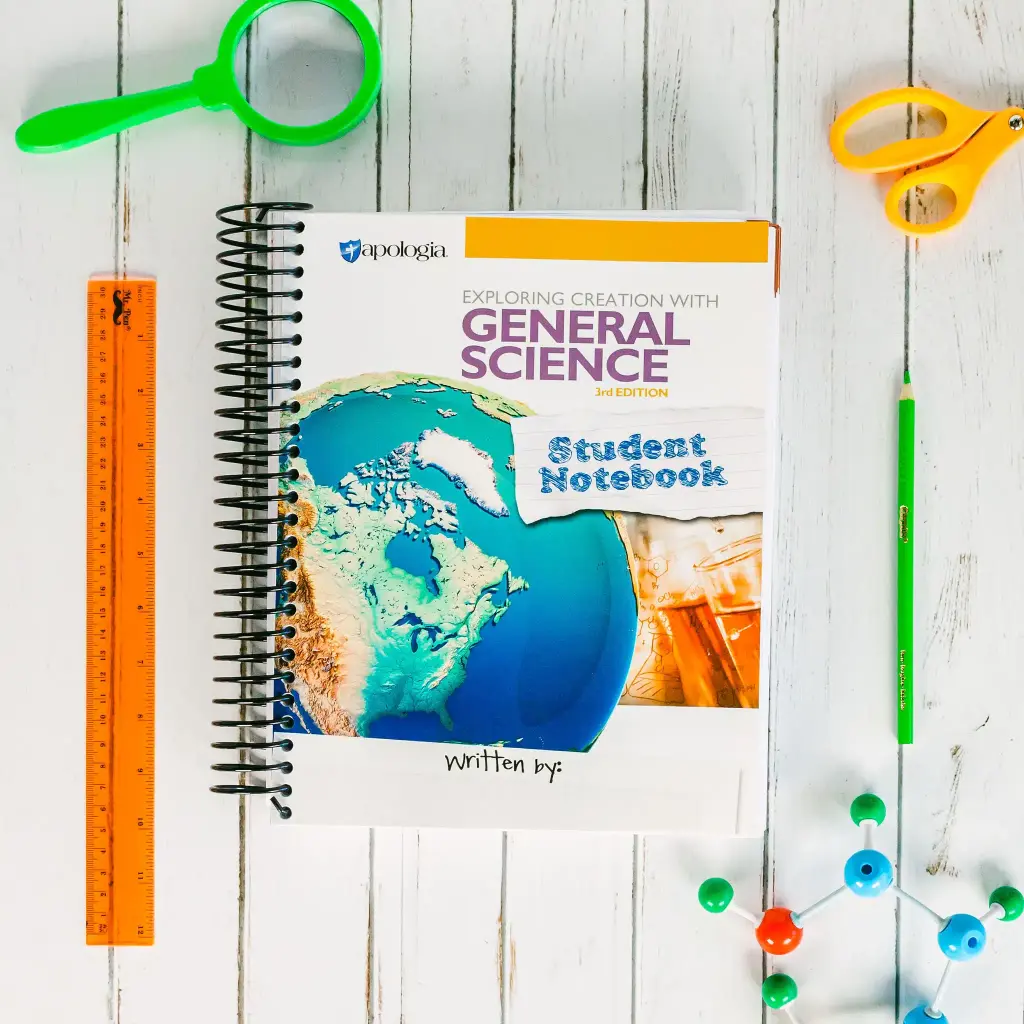
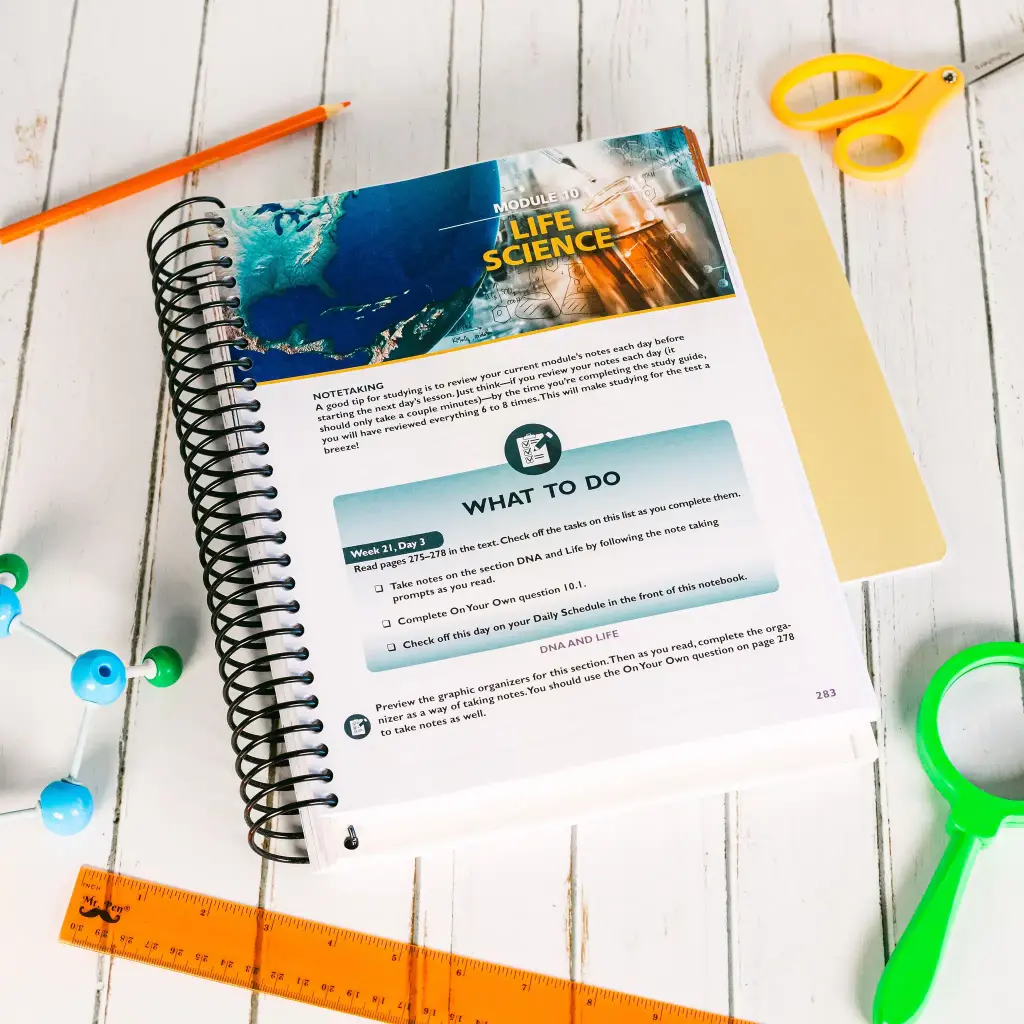
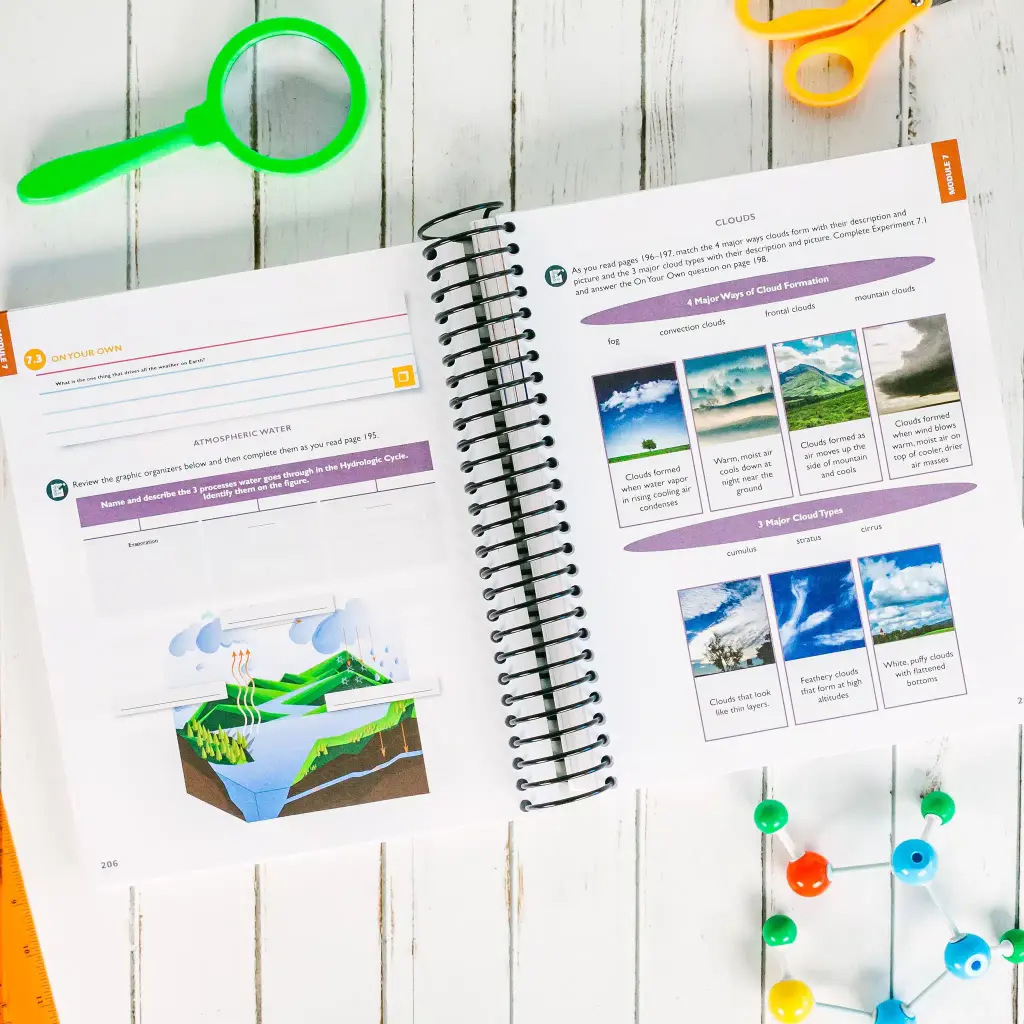
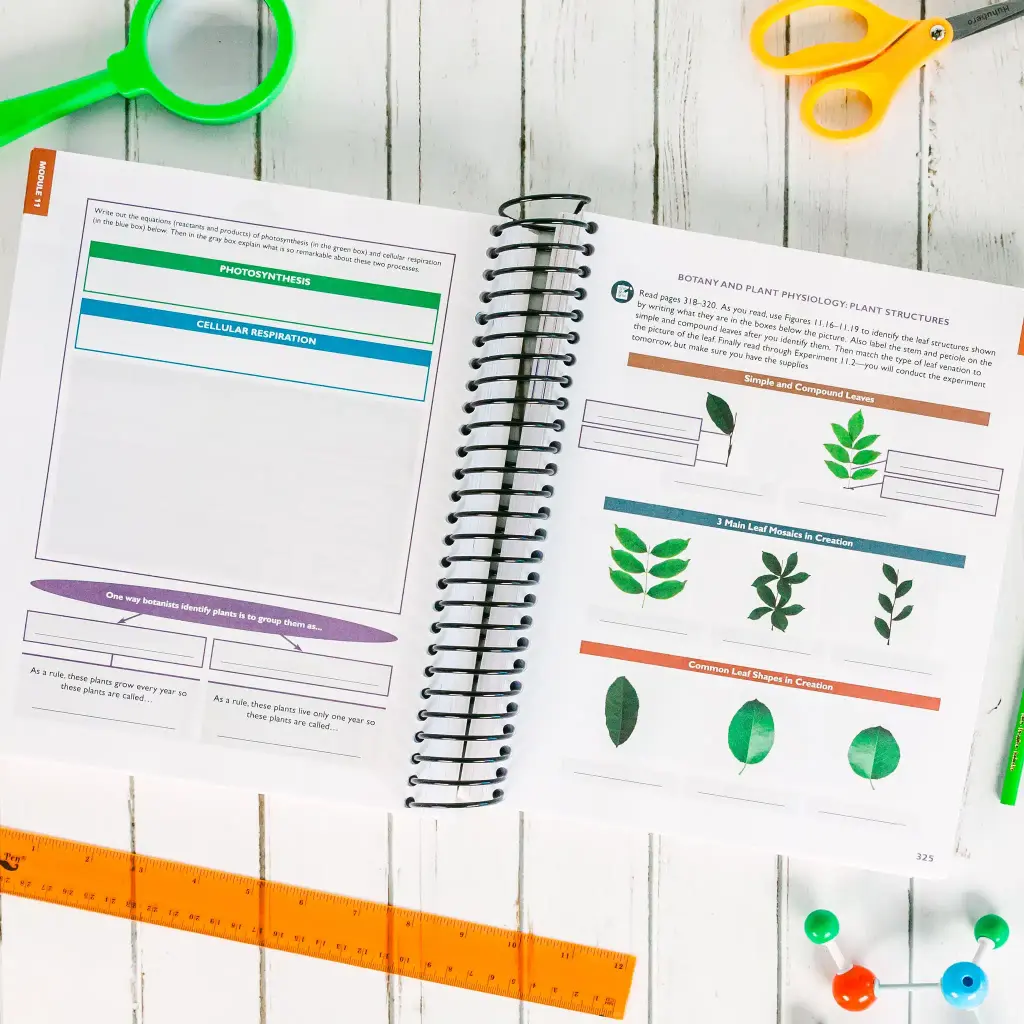
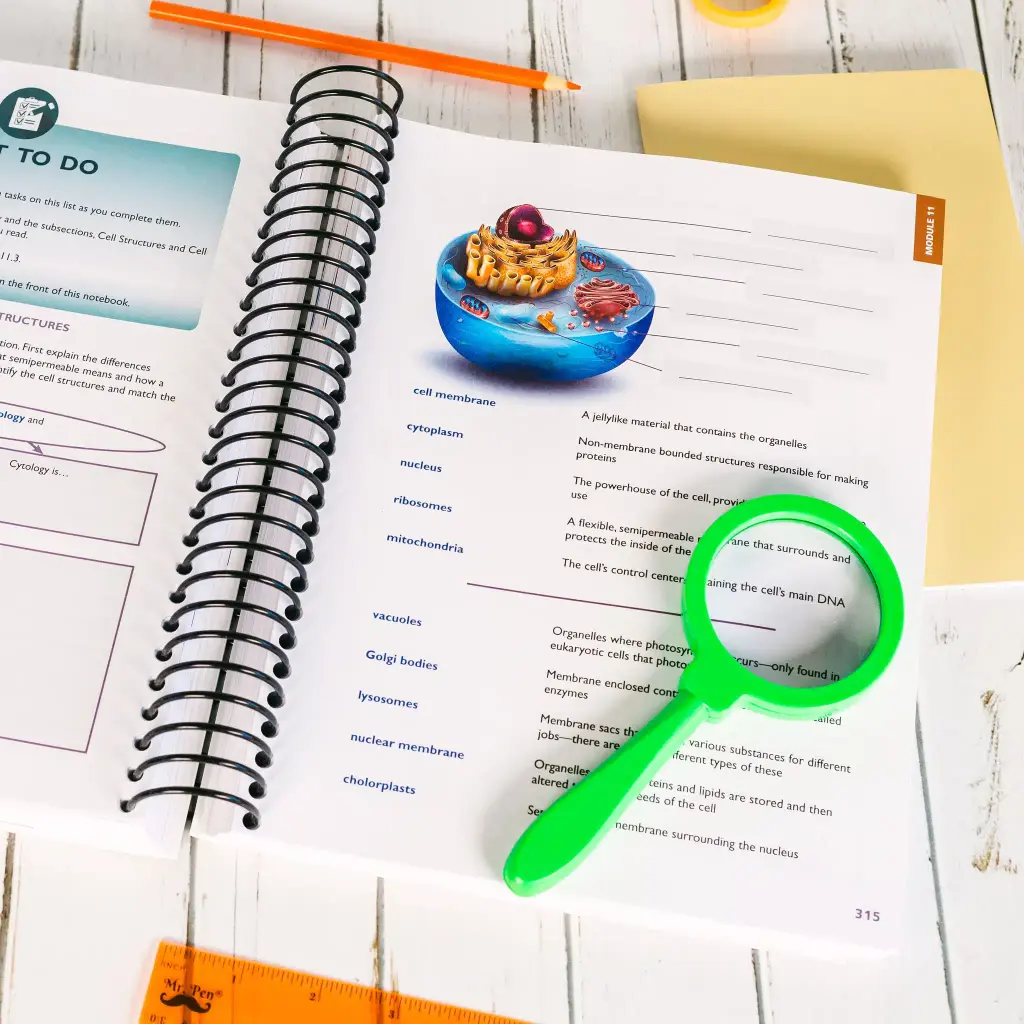
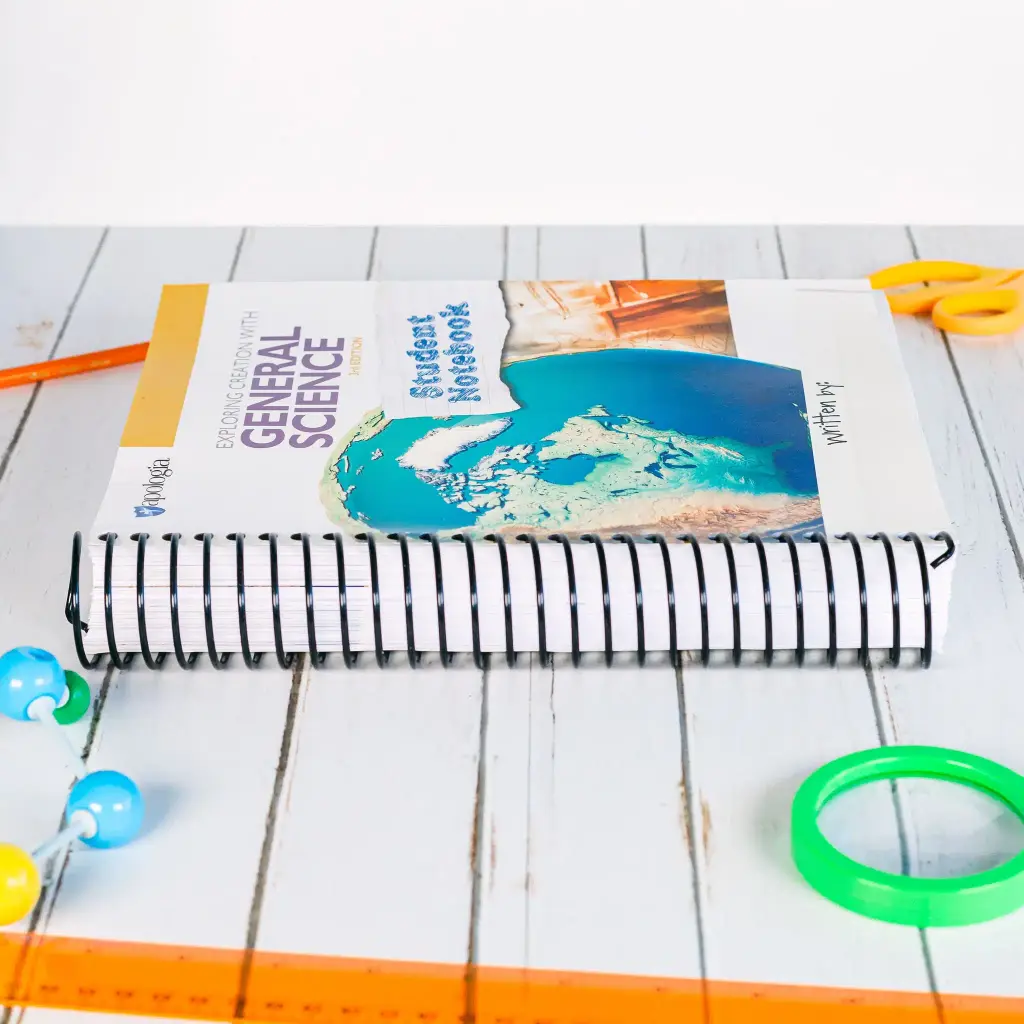
and completing experiments. Sold separately, the student notebook complements the textbook providing easy-to-understand graphics where students fill in the blank spaces as they read.
Open-and-Go Daily Schedule
This course is designed to be done 4 days a week. A suggested daily schedule is included in the student notebook
(sold separately) so your student easily understands what is expected
of them each day, while also providing flexibility to meet the needs of
your student and family.
History of Great, Godly Scientists
Throughout this General Science textbook, your student will learn
about many great historical and modern-day scientists who studied our
world out of a desire to better know God as its Creator. As they engage
with the curriculum, they will not only be invited and inspired to
better understand science and the world around them, but also the God
who created it all.
Hands-on Experiments
In early modules, specific portions of the text are highlighted so
students know where to find important information and are guided through
the lab write-up process. Although students may complete more than one
experiment in a module, they are given the opportunity to choose to
complete a single lab report, thus building on interest-driven learning.
Lab report samples are provided so the students learn proper
formatting. All of the experiments in this course utilize easy-to-obtain
household materials to demonstrate complex scientific principles, so no
special equipment is necessary.
Explore More with Bonus Hands-on Activities:
Middle school-aged children still greatly benefit from hands-on
exploration, so like our elementary series, we include several optional
Explore More activities to allow students to further explore the
scientific concepts presented in each module.
Character-building Elements
Middle school students are in a transition period between childhood
and adulthood and we believe that emphasizing and cultivating their
character is an important step in their development. Thus in each
module, parents are encouraged (and guided) to incorporate character
performance into their student’s grades.
Test Taking Skill Building
There are tests provided for each module, however, students are given many study tips via their student notes within the Student Notebook,
and a practice Study Guide they complete once at the end of each
module. The first two module tests are assigned to be given as open-book
tests so that students learn the format of this course and more easily
transition to improve the skill of test-taking–a valuable skill for
upper grades and even college work.
Final Hands-on Project
The final module is a fun and exciting culmination of the course. It
has no exam! Instead, your student is given step-by-step instructions to
build a Rube-Goldberg machine as a final project. This project
incorporates many of the scientific principles learned throughout the
year (such as combustion, buoyancy, simple machines, and more). Amidst
the set-up instructions, your student will read testimonies from
modern-day scientists, sharing how they see God’s hand as they work in
their respective fields of science.
Easy Grading
Complete, step-by-step grading rubrics are provided to you as the
parent, guiding you as you calculate your student’s module grade from
their test, lab work, and character.
Meet the Author
Sherri Seligson